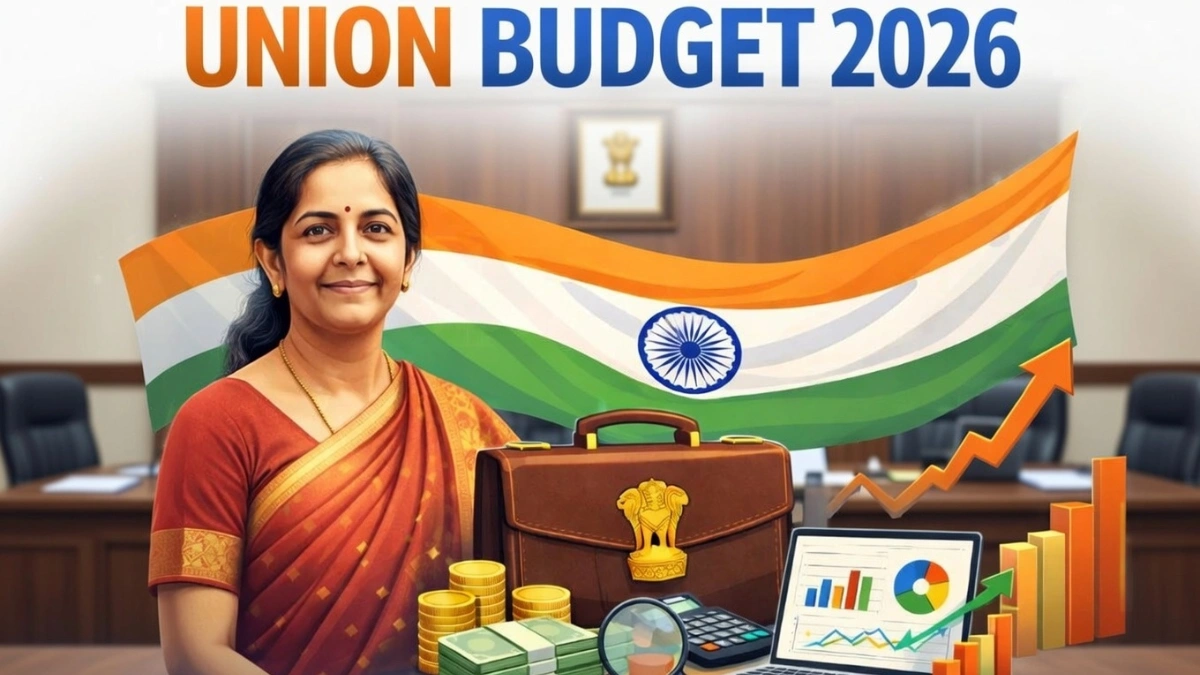
The Union Budget 2026 has placed strong focus on easing financial pressure for the middle class while strengthening income security for farmers. With inflation, housing costs, and input prices remaining key concerns, the government has used this budget to balance welfare with long-term economic stability.
Presented under the policy direction of the Government of India, these measures are expected to influence household finances and rural livelihoods throughout the year.
Major Tax Relief Brings Breathing Space to the Middle Class
One of the most impactful moves in Budget 2026 is targeted income tax relief for middle-income earners. Adjustments in tax slabs and rebates are aimed at increasing disposable income, allowing families to manage rising expenses more comfortably. This relief is designed to stimulate consumption without compromising fiscal discipline.
For salaried individuals, this means better monthly cash flow and improved savings potential.
Housing and Home Loan Support Strengthened
Recognising housing as a core middle-class aspiration, the budget enhances support for affordable housing and home loan borrowers. Interest-related relief and incentives for first-time buyers are intended to make home ownership more achievable, especially in urban and semi-urban areas.
This move also supports the real estate and construction sectors, generating employment.
Direct Support and Stability Measures for Farmers
Farmers receive renewed attention through income support continuity, easier credit access, and measures aimed at reducing input cost pressure. The focus remains on stabilising farm income rather than short-term announcements, ensuring farmers can plan crops and investments with greater confidence.
Improved access to institutional credit reduces reliance on informal borrowing.
Boost to Rural Infrastructure and Market Access
Budget 2026 increases allocations toward rural roads, storage facilities, and market linkages. Better infrastructure helps farmers reduce post-harvest losses and secure fair prices for produce. For rural households, this also improves connectivity, access to services, and employment opportunities.
Stronger rural infrastructure has a ripple effect across the economy.
Inflation Control and Essential Cost Management
Another critical announcement revolves around controlling prices of essentials. Through targeted subsidies, supply-chain strengthening, and strategic reserves, the budget aims to protect both consumers and farmers from extreme price volatility.
This benefits middle-class households managing monthly budgets and farmers dealing with fluctuating input and output prices.
Why These Announcements Matter Together
What makes Budget 2026 stand out is the combined focus on urban and rural India. Relief for taxpayers supports consumption, while farmer-centric measures protect food security and rural income. Together, these steps aim to create balanced growth rather than isolated benefits.
The approach signals stability over sudden shocks.
What Citizens Should Do Next
Middle-class taxpayers should review updated tax provisions and adjust financial planning accordingly. Farmers are advised to stay informed through local agriculture offices to understand how revised schemes and allocations apply at the ground level.
Awareness ensures benefits translate into real impact.

Conclusion: The Union Budget 2026 delivers five meaningful, people-centric measures that directly touch the lives of the middle class and farmers. From tax relief and housing support to farm income stability and rural development, the budget reflects a clear attempt to ease pressure while laying foundations for sustainable growth. For millions of families, these announcements are not just numbers, but practical support for everyday life.
Disclaimer: This article is for informational purposes only. Budget provisions, benefits, and implementation depend on official government notifications and subsequent guidelines. Citizens should refer to authorised sources for detailed applicability.