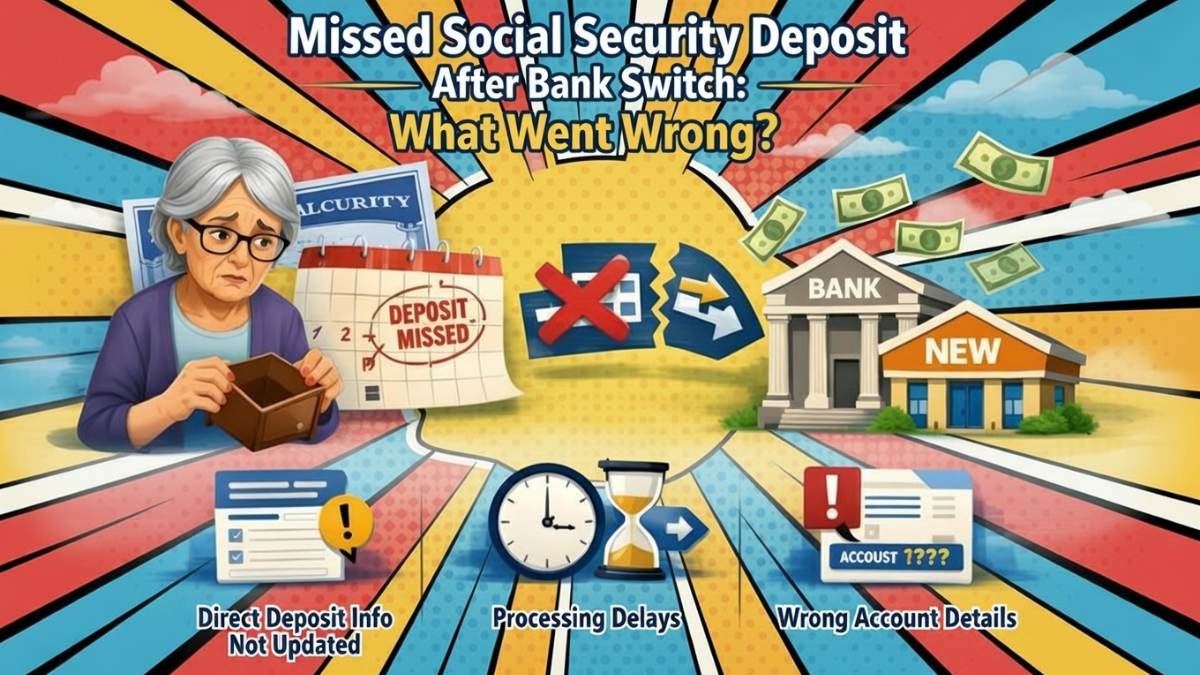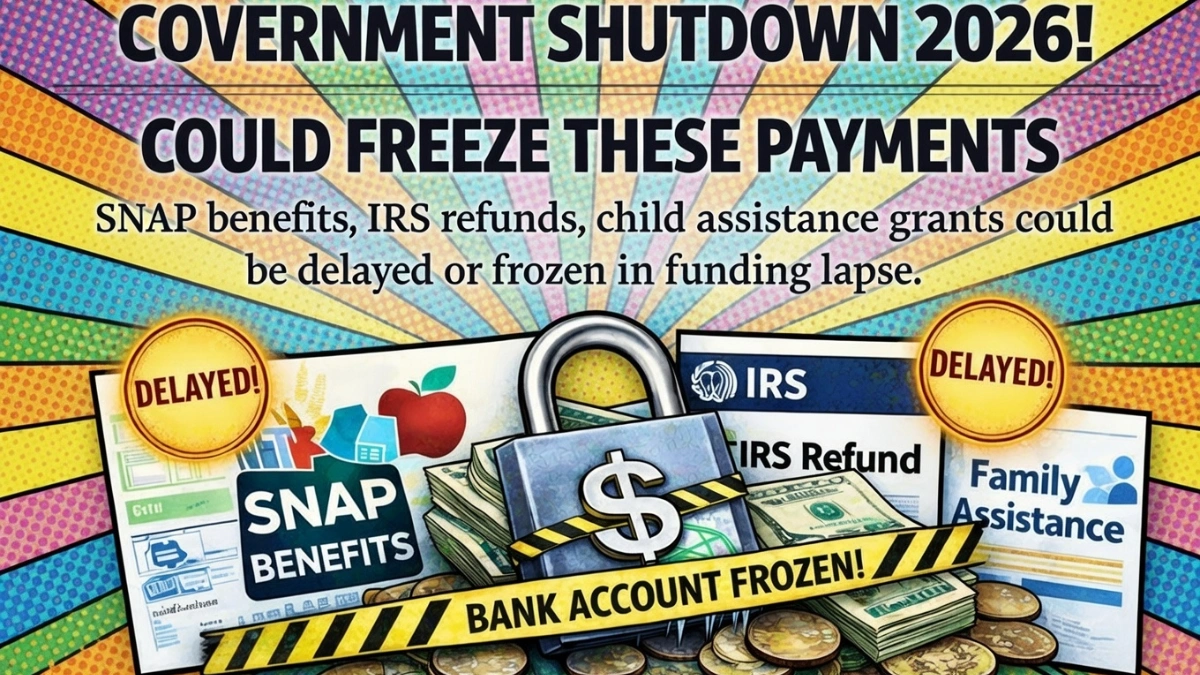
Shutdown Warning 2026: Concerns about a possible U.S. government shutdown in 2026 have raised questions among millions of Americans who rely on Social Security payments, IRS tax refunds, and Veterans Affairs (VA) benefits. While shutdowns can disrupt many federal services, not all programs are affected in the same way.
Here’s a clear, practical breakdown of what would happen next if a shutdown occurs and which payments are protected.
What Is a Government Shutdown and Why It Happens
A government shutdown occurs when Congress fails to pass funding legislation, causing non-essential federal agencies to suspend operations. During this time, many federal employees are furloughed, and services slow or stop until funding is restored.
However, essential services and mandatory spending programs continue, which is critical for benefit recipients.
Social Security Payments: Will Checks Stop in 2026?
Social Security benefits are generally protected during a shutdown because they are funded through mandatory spending, not annual congressional budgets. Payments for retirement, SSDI, and survivor benefits typically continue on schedule.
The Social Security Administration may operate with reduced staffing, which means customer service, benefit changes, or appeals could be delayed—but monthly payments themselves are not expected to stop.
IRS Refunds: Likely Delays, Not Cancellations
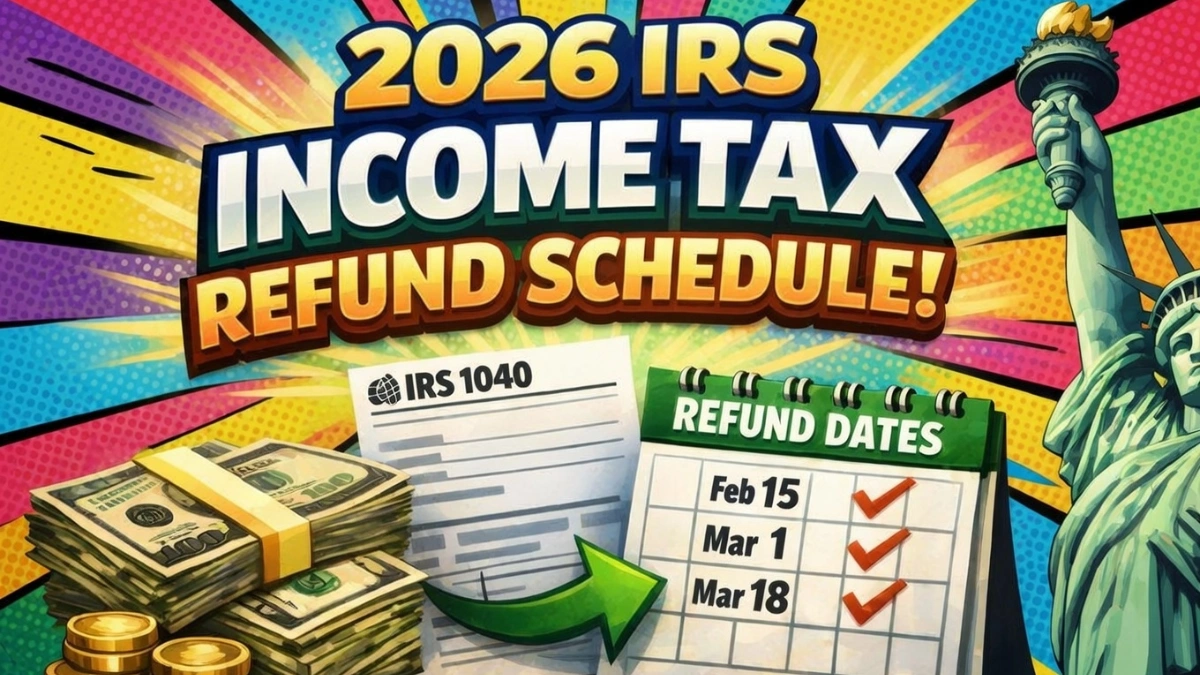
IRS operations are more directly affected by shutdowns. While automated systems may continue limited processing, tax refund timelines can slow down significantly if staff are furloughed.
The Internal Revenue Service may pause manual reviews, audits, amended return processing, and customer support. Refunds already approved may still go out, but new or complex returns could face delays until the shutdown ends.
In short, refunds are not cancelled, but patience may be required.
VA Benefits: What Veterans Should Expect
Most VA benefits continue during a shutdown, especially disability compensation, pensions, and education benefits that fall under mandatory funding. Veterans will generally still receive their regular monthly payments.
That said, services such as claims processing, appeals, and some administrative support may slow due to reduced staffing at the U.S. Department of Veterans Affairs.
Medical care at VA hospitals usually continues, as these are considered essential services.

Other Services That May Be Affected
While core benefit payments often continue, shutdowns can disrupt:
IRS customer service and refund tracking
SSA offices and in-person appointments
VA claims, appeals, and paperwork processing
Federal loan or grant administration
Digital portals may stay online, but response times increase.
What Beneficiaries Should Do Now
If a shutdown looks likely, beneficiaries should avoid panic. Continue monitoring official agency websites, ensure direct deposit information is accurate, and keep copies of all documents.
Avoid relying on social media rumors claiming benefits will “end” or be “cancelled.” Historically, that has not been the case for Social Security or VA payments.
Key Takeaway for 2026
A government shutdown can be inconvenient and stressful, but essential benefits usually continue. The biggest impact is often delays in processing, not missed payments. Knowing which programs are protected can help households plan calmly and avoid misinformation.
Conclusion: If a government shutdown occurs in 2026, Social Security and most VA benefits are expected to continue without interruption, while IRS refunds and federal services may slow down. Staying informed through official channels and preparing for possible delays is the smartest way to navigate any shutdown-related uncertainty.
Disclaimer: This article is for informational purposes only and does not constitute legal or financial advice. Government shutdown impacts can vary based on legislation and agency guidance. Readers should rely on official communications from federal agencies for the most accurate updates.