
PAN Card Rules Updated: The government has announced important changes to PAN card rules, and these updates can directly affect taxpayers, investors, and anyone using PAN for financial transactions. The new rules focus on stronger verification, stricter compliance, and better tracking of high-value transactions, making it essential to understand what has changed and what action you may need to take.
Ignoring these updates could lead to penalties, blocked transactions, or an inoperative PAN.
Who Regulates PAN Card Rules in India
PAN-related rules are governed by the Income Tax Department under the Income Tax Act. Any rule change issued by the department applies nationwide and is mandatory for individuals, businesses, and entities holding a PAN.
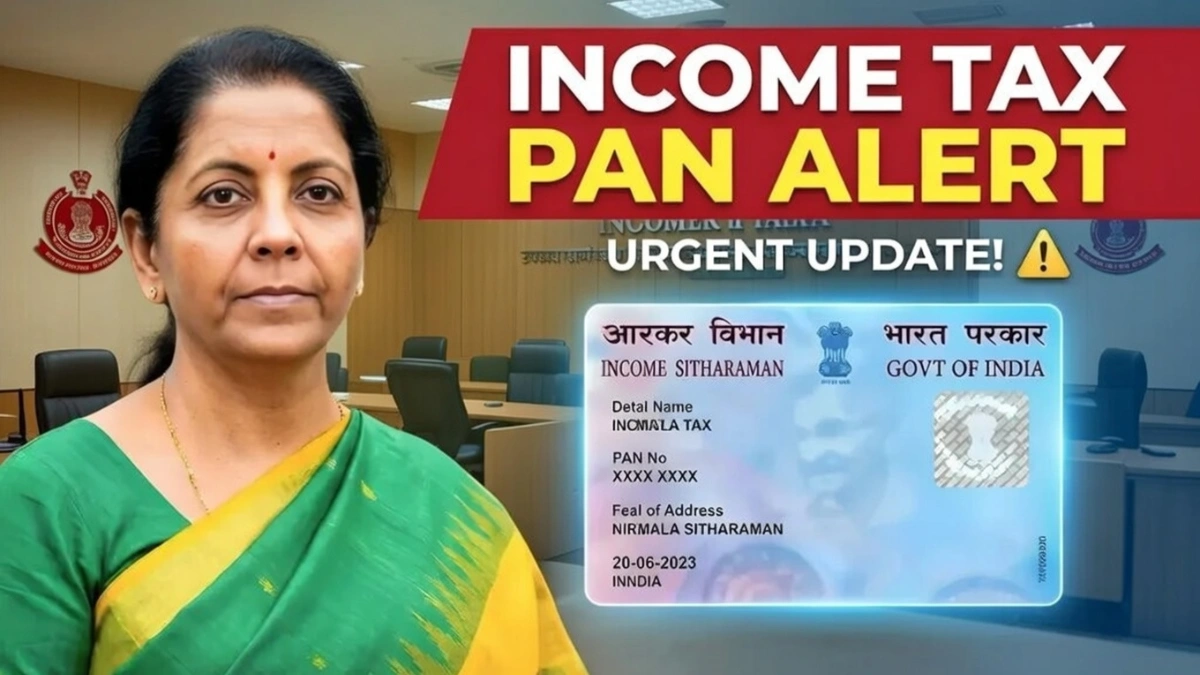
What Are the Latest PAN Card Rule Changes
The latest update strengthens PAN usage and compliance across financial systems. Aadhaar-based verification has become more critical, and PANs not meeting verification requirements may face restricted usage. The rules also tighten reporting norms for banks and financial institutions to ensure PAN details are accurate and active.
These changes aim to reduce tax evasion and prevent misuse of duplicate or inactive PANs.
Aadhaar Linking Becomes Even More Important
PAN–Aadhaar linking is now a key requirement. PAN cards that are not properly linked or verified may be treated as inoperative, meaning they cannot be used for filing income tax returns, opening bank accounts, or completing high-value transactions.

Inoperative PANs may also attract higher TDS/TCS rates until compliance is restored.
Impact on Banking and Financial Transactions
With the new rules in place, banks, mutual funds, and other financial institutions are enforcing stricter PAN validation. Transactions such as large cash deposits, investments, loan applications, and property deals may be rejected or delayed if PAN details are incorrect or inactive.
This makes it crucial to ensure your PAN status is active and compliant.

Penalties for Non-Compliance
Failure to follow updated PAN rules can result in financial consequences. Higher tax deduction at source, inability to file returns smoothly, and possible penalties under the Income Tax Act are among the key risks.
The government’s focus is on compliance rather than punishment, but repeated neglect can be costly.
What PAN Holders Should Do Immediately
PAN holders should verify their PAN status, ensure Aadhaar linking is complete, and update personal details such as name, date of birth, and contact information if required. Checking your PAN status online takes only a few minutes and can prevent serious issues later.

Those who recently changed personal details should ensure consistency across PAN, Aadhaar, and bank records.
Why the Government Made These Changes
The updated PAN rules are part of a broader push toward digital transparency and tax system modernization. By tightening verification and linking PAN more closely with Aadhaar, authorities aim to curb fake identities, improve tax compliance, and streamline financial monitoring.
Conclusion: The latest PAN card rule changes are a clear signal that compliance can no longer be ignored. With stricter verification, Aadhaar linkage requirements, and tighter transaction checks, keeping your PAN active and accurate is more important than ever. Taking a few minutes now to verify your details can save you from major inconvenience and penalties later.

Disclaimer: This article is for informational purposes only. PAN rules, penalties, and compliance requirements may change over time. Readers should refer to official Income Tax Department notifications or consult a qualified tax professional for personalized guidance.