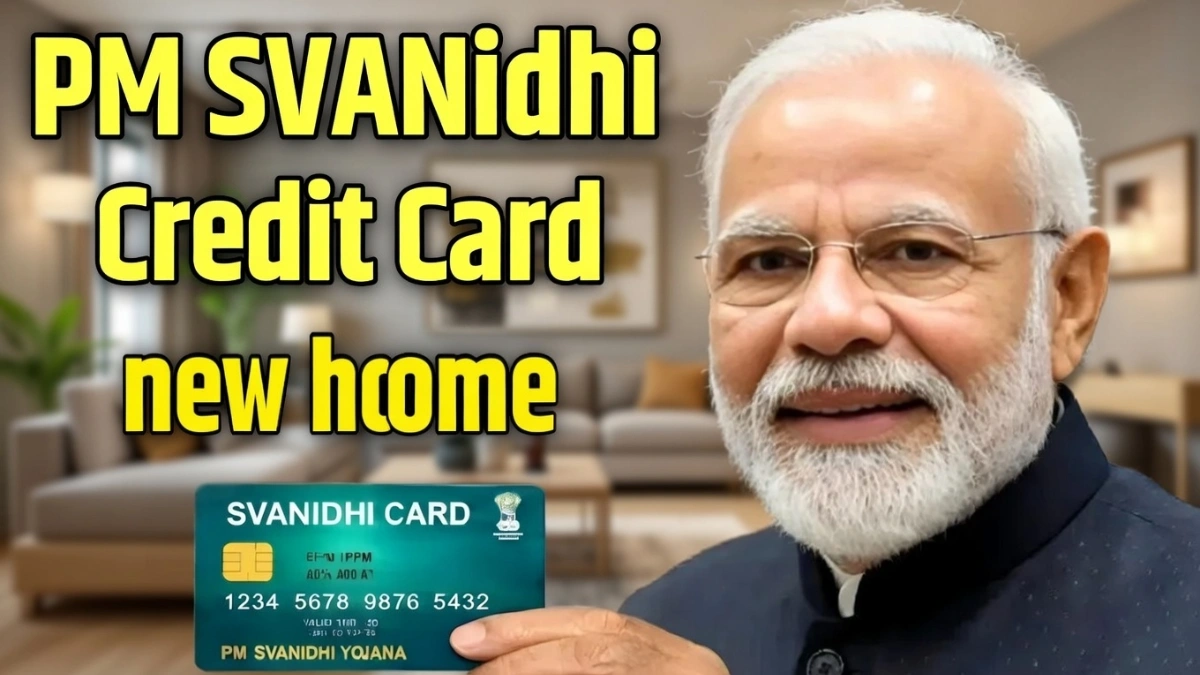
Small traders and hawkers have a reason to pay attention in 2026 as the PM SVANidhi credit-linked support continues to expand, making it easier to access working capital up to ₹30,000 without traditional CIBIL hurdles. Designed specifically for urban and peri-urban street vendors, this initiative focuses on quick liquidity, simple processes, and formal financial inclusion.
The programme operates under the broader urban livelihoods framework led by the Ministry of Housing and Urban Affairs, with implementation support from banks and urban local bodies.
What This 2026 Update Means in Simple Terms
The credit card–style facility linked to PM SVANidhi allows eligible street vendors to access small-ticket credit for daily business needs. Unlike conventional loans, approvals rely more on vendor identification and repayment behaviour under the scheme rather than a strict CIBIL score check. This opens doors for vendors who were previously excluded from formal credit.
The focus is continuity of business, not paperwork.

Who Can Benefit From the ₹30,000 Limit
Eligible beneficiaries include street vendors engaged in vending activities such as food stalls, carts, kiosks, and mobile sellers who are identified through local surveys or vendor certificates. Vendors who have demonstrated timely repayment under earlier tranches are better positioned for higher limits within the scheme’s framework.
The credit is intended strictly for business working capital.
How the “No CIBIL” Aspect Works
There is no blanket waiver of credit discipline, but the scheme does not reject applicants solely due to a thin or absent CIBIL history. Instead, lenders consider scheme eligibility, local verification, and repayment conduct under PM SVANidhi. Timely repayments can even help vendors build a positive credit footprint over time.
This approach balances access with responsibility.

How the Credit Is Used and Repaid
Funds can be used to purchase stock, raw materials, or manage daily operating expenses. Repayments are structured in affordable instalments, and digital transactions are encouraged to improve transparency and eligibility for incentives linked to the scheme.
Regular repayment improves chances of future enhancements.
Why This Matters for Street Vendors
Access to small, affordable credit can stabilize income, reduce reliance on informal moneylenders, and support growth. In 2026, with rising input costs, this facility provides breathing room for vendors to keep businesses running smoothly.
It’s a practical tool, not a handout.

What Has Not Changed
This is not free money, and it is not automatic for everyone. Eligibility checks still apply, and misuse can affect future access. Claims promising instant approval without verification should be treated cautiously.
Official channels remain the safest route.
What Vendors Should Do Now
Vendors should ensure their identification under the scheme is updated, maintain repayment discipline, and approach authorised banks or common service centres for accurate guidance. Avoid agents demanding fees for “guaranteed” approvals.
Awareness and compliance make the difference.
Conclusion: The PM SVANidhi credit support in 2026 strengthens access to up to ₹30,000 for street vendors without making CIBIL a roadblock. By prioritising eligibility and repayment behaviour, the scheme delivers timely working capital while encouraging financial inclusion. For vendors looking to sustain and grow their livelihoods, this remains a valuable and practical opportunity.
Disclaimer: This article is for informational purposes only. Credit limits, eligibility, and terms depend on official scheme guidelines and lender policies. Applicants should rely on authorised government portals, banks, or urban local bodies for final confirmation.